Secret Histories and Subtle Signs: How Lesbians Have Flagged to Each Other Through the Ages
For centuries, being openly lesbian was dangerous, socially impossible, or outright illegal. This created an extraordinary need for coded communication—a secret language of style, accessories, and symbols that only other women-loving-women (WLW) would recognize.
This practice of “flagging”—using subtle signals to identify oneself to other members of the community—is a powerful part of lesbian history. It’s a testament to the community’s resilience, creativity, and deep-seated longing for connection.
From historical floral tributes to modern-day phone cases, here is a look at how lesbians have signaled their identity throughout time, and how this tradition continues today.
The Coded History of Lesbian Signals
1. The Ancient and Enduring Symbol of Violets
The violet is arguably the oldest and most enduring symbol of sapphic love. This connection dates back to the poet Sappho of Lesbos (c. 600 BCE), who wrote beautiful, passionate poetry about the love between women, often mentioning violets and garlands of flowers.
In History: The violet re-emerged in the 1920s after a popular play, The Captive, featured one woman sending a bouquet of violets to her female lover. The public scandal caused the play to be shut down, but women began wearing violets on their lapels as a subtle, subversive act of solidarity and a quiet signal of their own identity.
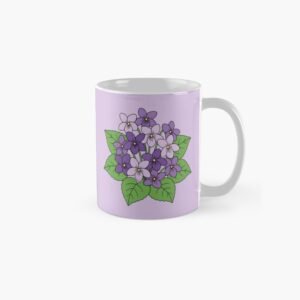
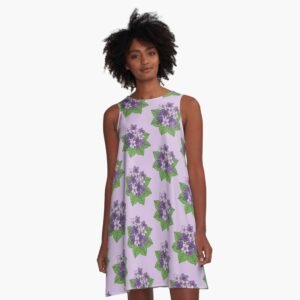
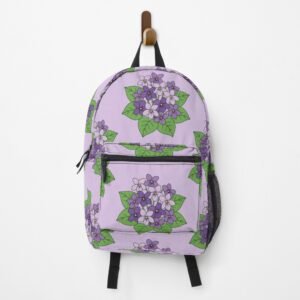
Modern Day: The violet’s symbolism lives on in the color purple, which is incorporated into the most widely-used lesbian pride flags. The symbol makes a gorgeous choice for subtle prints on clothing, jewelry, or as a recurring motif in lesbian art and accessories like bags, mugs, notebook covers and phone cases.
2. The Utilitarian & The Permanent: Carabiners and Tattoos
As lesbian identity became increasingly tied to independence and functionality, so did the symbols.
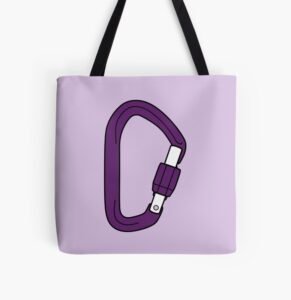
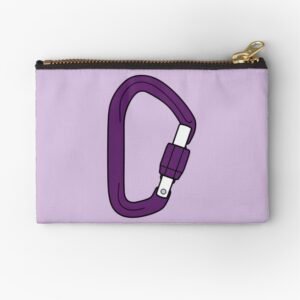
The Carabiner (The Lesbian Latch): This sturdy clip has become an unmistakable signal in modern WLW culture. Its roots may trace back to World War II, when women entered traditionally male blue-collar work, with keys and utilitarian tools symbolizing their new autonomy and strength. Today, a carabiner clipped to a belt loop is a classic, practical flag, often jokingly referred to as the lesbian equivalent of the hanky code, where placement (left or right) can even signal sexual preference to those in the know.

The Nautical Star Tattoo: In the mid-20th century, especially in working-class communities, the nautical star tattoo became a quiet indicator of lesbian identity. Its placement, often on the wrist, made it easy to conceal with a watch or a sleeve if needed—a necessity in an era of fear and persecution. Other symbols like the Double Venus and the Labrys (double-headed axe, a symbol of Amazonian strength) are also popular lesbian tattoos.



3. Coded Clothing & Accessories
Historically, lesbians often appropriated or altered fashion pieces to create their own code:
The Monocle: In 1920s Paris, the monocle became a daring signal among wealthy, fashionable lesbians. It subverted traditional femininity and was so notorious that a famous lesbian nightclub was named Le Monocle.
Rings: Historically, a pinky ring was a subtle signal, while more recently, the thumb ring has become a recognizable, easy-to-adopt flag, representing a break from heteronormative tradition and a blend of masculine and feminine style.
Femme Flagging: Modern Signals for the Undetectable
Butch or androgynous style has long been the most visible form of lesbian flagging. For femme lesbians—who embrace traditionally feminine clothing, makeup, and style—flagging can be a genuine challenge, leading to the frustrating feeling of being “undetectable” by both straight and queer people.
Today, femme lesbians are reclaiming symbols and combining them in ingenious ways to ensure they are seen by other WLW.
Flagging is more than just fashion; it’s a living, breathing history of communication. Every graphic tee you wear with a queer reference, every sticker on your laptop, and every lesbian gift you share carries the weight of a powerful legacy. It’s a shout-out to the ancestors who had to whisper, and a proud, open signal to the community you seek today.